When a newly launched hospital in Singapore began large-scale hiring for international BSc nurses and allied healthcare professionals, the urgency was high.
That’s when Dynamic Health Staff (DHS) stepped in to stabilise the hiring operation, restructure the process, and help the hospital move from confusion to coordinated execution in June, 2025.
When Fast Hiring Creates Unexpected Problems
The Singapore hospital was preparing to open multiple departments within a short timeline.
The initial plan seemed straightforward: hire qualified healthcare professionals quickly and onboard them before launch.
But within weeks, problems started surfacing:
- Candidate drop-offs increased
- Documentation delays slowed processing
- Interview scheduling became inconsistent
- Many applicants were technically qualified but not aligned with hospital expectations
“Bulk hiring looks easy on paper,” said Mr Arun Kumar Ojha, Director at Dynamic Health Staff. “But when hiring scales quickly, even small process gaps become major operational issues.”
The hospital needed more than recruitment support; they needed structure.
Identifying the Real Problem
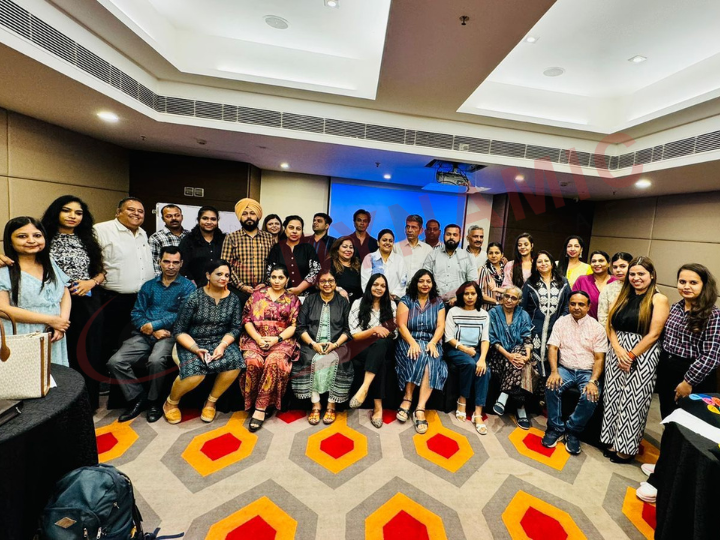
When Dynamic Health Staff reviewed the process, the issue wasn’t the talent pool. The issue was alignment.
Different departments were evaluating candidates differently. Communication timelines were unclear. Candidates were uncertain about relocation details and onboarding expectations.
“The hiring process had speed, but it lacked coordination,” Mr Ojha explained.
“Without a centralized workflow, delays and confusion were inevitable.”
Instead of rushing more candidates into the pipeline, Dynamic Health Staff focused first on fixing the process itself.
Rebuilding the Hiring Workflow
We at DHS introduced a more structured recruitment model designed specifically for healthcare bulk hiring.
The team at Dynamic Health Staff streamlined:
- Candidate screening standards
- Department-wise interview coordination
- Documentation tracking
- Communication with shortlisted candidates
- Pre-deployment guidance
This created clearer visibility for both the hospital and the candidates.
“Once candidates started receiving proper updates and expectations became clearer, engagement improved immediately,” said a Dynamic Health Staff project coordinator involved in the hiring campaign.
Focusing on Quality, Not Just Numbers
One major shift was changing the focus from volume-based hiring to role-based suitability.
Instead of forwarding every available profile, Dynamic Health Staff prioritised candidates who matched:
- Clinical requirements
- Communication standards
- Adaptability to Singapore’s healthcare environment
- Long-term employment potential
“Hospitals don’t benefit from hiring fast if retention becomes a problem later,” Mr Ojha noted.
“The right fit matters more than the fastest placement.”
That approach reduced interview rejection rates by 34% and improved deployment readiness significantly by 25%.
Turning a Difficult Start Into a Successful Outcome
As the process became more organised:
- Candidate confidence improved
- Hospital response times became faster
- Documentation errors reduced
- Hiring timelines stabilised
Most importantly, the hospital regained confidence in the recruitment process.
Mr Javelin, a healthcare manager from the Singapore project, shared:
“What changed after Dynamic Health Staff stepped in was visibility. Suddenly, everyone knew where things stood, what was pending, and what needed immediate action.”
Built for Complex Healthcare Recruitment
Bulk healthcare hiring requires more than databases and interviews. It requires operational discipline, communication, and a deep understanding of healthcare workforce planning.
That’s where DHS made the difference.
“In healthcare recruitment, solving problems early is what protects long-term outcomes,” said Mr Ojha. “Our role is not just to supply manpower; it’s to help healthcare systems hire successfully under pressure.”
Helping Hospitals Scale with Confidence
What began as a challenging recruitment project eventually became a successful hospital staffing rollout because the process was corrected before the pressure became unmanageable.
For Dynamic Health Staff, the Singapore project reinforced an important lesson:
In bulk healthcare hiring, organisation and clarity matter just as much as speed.
FAQs
1. Why is bulk healthcare hiring difficult for new hospitals?
Bulk hiring becomes difficult when many roles, departments, interviews, and documents have to be managed at the same time. Without a clear process, delays, drop-offs, and confusion can increase quickly.
2. How did Dynamic Health Staff support the Singapore hospital?
Dynamic Health Staff helped by improving screening, coordinating interviews, tracking documents, guiding candidates, and creating a clear workflow for the hospital team and applicants.
3. Why is candidate suitability important in hospital recruitment?
Healthcare hiring is not only about filling vacancies. Hospitals need candidates who match clinical needs, communication standards, work culture, and long-term employment expectations.
4. What problems can hospitals face during international nurse recruitment?
Hospitals may face documentation delays, candidate drop-offs, interview mismatches, unclear communication, and difficulty in managing large numbers of applicants across different departments.
5. How does Dynamic Health Staff help hospitals hire with confidence?
Dynamic Health Staff supports hospitals with structured recruitment, verified candidate screening, document assistance, interview coordination, and pre-deployment guidance to make hiring smoother and more reliable.